The chief warden carries the most pressed minutes of any kind of function in a structure. Those mins frequently choose whether an occurrence remains a close to miss out on or becomes a loss that mirrors for years. The authority is official, however the genuine currency is prep work, clarity, and calm repetition under stress. This is the job of weaving with each other risk analysis, group training, live event control, and disciplined debriefing into a cycle that never stops.
I have actually put on the chief warden hat in hectic commercial towers, a healthcare precinct, and a manufacturing site with unstable stock. The atmospheres differ, yet the fundamentals hold: understand your dangers, construct a reliable emergency situation control organisation (ECO), lead without theatrics, and document what you find out. Accreditations work markers of skills-- PUA systems like puafer005 and puafer006 in Australia are strong examples-- yet the difference on the day comes from practice and rehearsal.
The duty at a look, without the gloss
The chief warden is the on-site case leader up until emergency situation services take control. That means you have to make telephone calls promptly, often with partial information, and do it in a manner that others can comply with. You lead the ECO, direct structure wardens and interactions police officers, communicate with first responders, and authorize emptying, shelter-in-place, or organized moving. You additionally established the criterion for culture: accountability, reasonable drills, and a refusal to claim that documentation equals readiness.
Many organisations erroneously assume the chief warden is just a fire person. Fires are one piece. The work extends medical emergency situations, chemical spills, loss of power, water access, raises inactive, burglar dangers, severe climate, and structure system faults. The very best chief wardens think in scenarios and triggers, not labels.
Training and expertise: what matters greater than the certificate
In Australia, competency-based training centred on the PUA Public Security Training Bundle underpins lots of programs:
- puafer005 run as component of an emergency control organisation focuses on the skills and team effort anticipated of wardens. It covers alarm systems, interaction protocols, move methods, and helping passengers. A puafer005 course is commonly the standard for a fire warden course and broader warden training, developing recognition of fire warden requirements in the workplace and functional emergency warden training requirements. puafer006 lead an emergency situation control organisation raises the lens to management and decision-making. A puafer006 course prepares primary wardens to examine, plan, straight wardens, take care of escalations, and interface with emergency services.
Those systems are well pertained to, and I suggest them. Still, skills discolors without practice. For a busy website, I push refresher drills every six months, much shorter tool kits every quarter, and targeted micro-drills after any type of layout adjustment. Chief warden training must consist of situation planning, radio discipline, and human factors-- just how tension changes understanding, how individuals mishear place codes, and exactly how to remedy nicely but immediately.
A quick word on recognition: numerous organisations make use of hat or safety helmet colours to differentiate duties in an emergency situation. The chief warden hat is frequently white and the chief warden hat colour commonly matches the chief fire warden hat colour. Location or flooring wardens frequently wear yellow, communications green, and very first aiders in some cases a different color or clear noting. Criteria vary by region and policy. If a person asks, what colour helmet does a chief warden wear, validate your website procedure, after that make it obvious in training and signs. Complication below loses secs later.
Risk evaluation that drives actual decisions
A stagnant emergency situation plan becomes fiction. For the chief warden, threat evaluation is not a binder, it is a living checklist of susceptabilities and controls. Begin with the basics: building construction, occupancy type and numbers, special risks, and controls. Then layer the operational realities you see daily.
In a twenty-storey office building I took care of, we knew the fire stairs were secure and well pressurised. The larger risk came from after-hours residents on levels where lift accessibility required a card, which sometimes failed in a power blip. The repair was not a thicker plan. It was a clear guideline for the gatekeeper to physically sweep those degrees after any alarm system after 7 pm, and a back-up secret established stored in the fire control space. That is threat converting right into action.
Look for the complying with friction factors throughout walkthroughs: inadequately marked leaves due to lessee fit-outs, door hardware that sticks, combustibles stored near plant areas, short-lived hoardings blocking views, and endangered fire doors. Then repair them, not later, however on a schedule you drive.
Building an ECO that can really function
An ECO is only as strong as its weakest warden. Individuals take a trip, move jobs, or neglect. The chief warden's task is to maintain the roster sharp and broad sufficient to cover all changes and areas. I such as overlapping insurance coverage by function, not just headcount. If you require 3 flooring wardens to sweep the mezzanine and one gets on leave, have 2 back-ups who know the territory.
The interactions policeman role is routinely underestimated. In an intricate occurrence, that person filterings system the sound and maintains channels clear for top priority calls. Invest in their training. Drill them on ordinary language, brief bursts, readbacks, and time stamps. If you have actually settled on phone call indications, keep them short and logical.
One much more useful point: examine the radios in stairwells, basements, and car parks throughout peaceful times. You will find black places. You might require repeaters or just a setting modification. Discover it currently, not during a smoke event.
Alarms, choice factors, and the very first five minutes
Most emergency situations are made a decision early, before fire teams get here or before a slow-moving hazard comes to be time-critical. When an alarm triggers, the chief warden needs to establish 3 things quickly: where, what, and that is at risk.

The "where" must be clear from the fire sign panel or building administration system. The "what" needs context-- operates in development, recognized system faults, reports from wardens, CCTV if readily available. The "who" is vibrant: a daycare on level two at 10 am is different from a skeletal system team at midnight.
I motivate chief wardens to think in triggers. As an example, noticeable smoke, verified warmth detector activation plus odor of burning, or a record of a spill with fumes-- each has a preset response. It prevents dithering. Authorize an emptying or a staged relocation based on the most awful reliable outcome, not the best-case hope. If you later discover a dud, you can reset and debrief. If you think twice throughout a genuine fire, you will certainly want you had actually moved faster.
Directing wardens: quality beats eloquence
On the radio, long sentences lose time. Claim the place initially, then the action. "Level 7 east, commence discharge to stairway 2," says more than any type of essay. Validate invoice. Ask for a condition upgrade in a set interval. Stay clear of open networks loaded with supposition. If a person records "It looks great," ask specific questions: warm, smoke, alarm systems visible, occupants moving, doors hot to the touch.
Wardens must understand that an obstructed exit doesn't finish the plan, it creates a reroute. Teach them to search for the next finest path, to station a person at the obstruction to obstruct late arrivals, and to keep in mind information for later rectification.
Consider human behaviour. Individuals wish to accumulate valuables. They bother with laptop computers and purses. You can not lecture them from it, yet you can script wardens to state, "Take your phone and tricks only. Leave whatever else." Repeat. Move them along. The phrasing matters more than you think.
Evacuation, sanctuary, and staged movement
Not every event calls for a full emptying. A localized event may be much better managed with a horizontal relocation or a relocation down a couple of floorings to clearer air. In a healthcare facility, this is an essential difference. In a data centre, power and cooling factors to consider can transform the calculus.
Be honest about compromises. Evacuating a high-rise completely during a minor event produces risks on the stairs-- fatigue, medical episodes, falls. Conversely, holding individuals in position during a fast-moving smoke event is dangerous. This is where the chief warden's judgment, backed by drills and neighborhood knowledge, overviews the call.
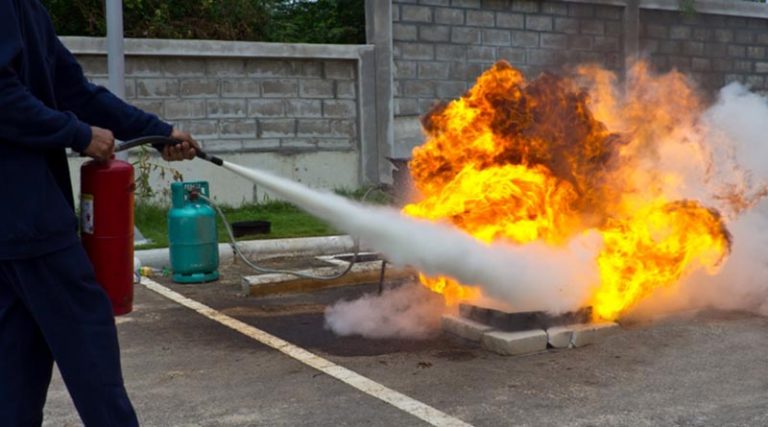
Once evacuation is underway, the assembly warden training area need to be safe, signed, and sized for the passengers. I have seen sites select an assembly factor that later ended up being a web traffic conflict area when emergency situation lorries arrived. Deal with that in preparation. Have an additional website for weather or site accessibility concerns, and rehearse relocating there.
People with impairment or access needs
The strategy is just comprehensive if it works for everyone. Identify routine occupants that might need support, with authorization and personal privacy valued. Assign pals, verify sanctuary points if lift usage is banned, and exercise the steps. Evacuation devices are exceptional tools, however they call for training and muscle memory. Nobody should touch a brand-new stairway descent chair for the first time throughout a fire alarm.
In one tower, we arranged a brief after-hours session where wardens exercised moving an empty chair down two flights, after that returning it. The confidence gain was visible. Throughout a later smoke event, the group carried out smoothly.
Information monitoring and intermediary with emergency situation services
The chief warden ought to meet fire staffs with a concise brief: alarm system location, what wardens saw, closures initiated, passengers left in position, and any unique hazards like gas bottles or battery areas. Bring the site plan, tricks, and accessibility cards. Keep your report to the factor, after that respond to concerns. If the case rises, prepare to establish an ahead control point with the occurrence controller.
If your site stores chemicals or includes battery energy storage, make certain materializes are existing and accessible. I when observed a site where the show was correct yet saved on a password-protected tablet inside a workplace that secured instantly when the alarm system stumbled. Good system, wrong information. We moved a published duplicate to the fire panel cabinet and taken care of the access control.
Communication with residents, lessees, and managers
Public address announcements need to be brief, ordinary, and duplicated. Give people the what, where, and what to do following. Prevent lingo and avoid humour. The best scripts are tranquil and consistent. If you require to transform guidelines, claim so directly and clarify why. Individuals approve reversals when they listen to a reason.
For multi-tenant sites, agree in advance who connects with tenant managers. A short condition e-mail within thirty minutes of an occasion can avoid a flood of side telephone calls. For essential operations like call centres, coordinate re-entry concerns with the incident controller and your centers manager.
Fire warden training requirements and duty clarity
Fire warden demands vary by territory, yet the concepts align. Wardens require proficiency in alarm acknowledgment, area sweeps, door control, stairwell circulation, and fundamental first aid comms. An emergency warden course that mixes class with flooring strolls beats a lecture whenever. Motivate wardens to walk their courses monthly. You can not spot a brand-new blockage from behind a desk.
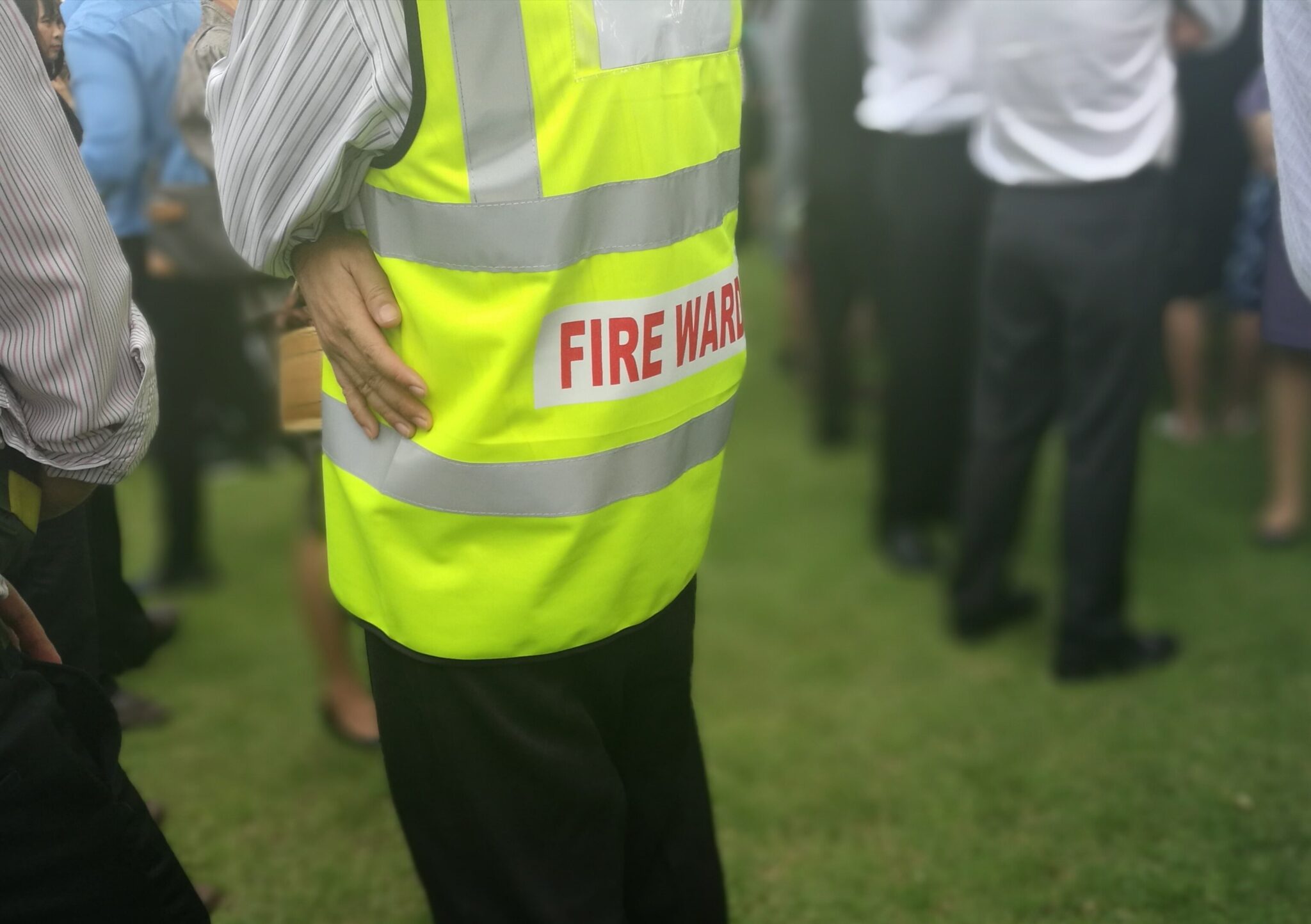
If your group asks about fire warden hat colour for identification, make a decision as soon as, publish it, and stock the package. High-vis vests with duty labels function well in numerous websites where safety helmets are unwise. In heavy commercial settings, headgears and handwear covers are common. Select suitable for objective, not tradition.
Documentation that aids, not hinders
During an event, document time and actions, also if it is on a pocket card. Afterward, those notes secure the debrief. Your emergency control organisation log need to tape-record triggers, choices, guidelines, acknowledgements, and handover times to emergency services.
For drills, log attendance, begin and finish times, concerns located, and rectifications. Track ordinary discharge times by flooring. Enhancement appears in numbers, not mottos. If a certain stairwell backs up every drill, explore staggered release, single-file technique, or removing a traffic jam like stacked distribution carts in a landing.
Debriefing: where improvement really happens
The debrief is not a ceremony. It is the operating space where you cut away blunders and leave stronger tissue. Do it immediately while details are fresh. Begin with truths: what occurred, what was done, what the end results were. Then open up the flooring to wardens. Urge candour. Your position as chief warden sets the tone. If you deal with feedback like a charge, you will hear nothing beneficial again.
Aim for 2 or three concrete improvements that you will execute with due dates. It could be rearranging a setting up indication, revising a PA manuscript, or rotating an interactions police officer to watch the chief warden throughout high-risk jobs. Close the loop by reporting when adjustments are complete.
One of the best repairs I saw came from a younger warden that noticed people clustering at the base of stair 1, blocking egress for those still coming down. We repainted a clear hallway and demonstrated the circulation in the following drill. Evac time visited practically a min throughout 600 occupants.
Edge instances that demand pre-thinking
Not every situation fits the common playbook. Here are a couple of that should have attention throughout preparation and training.
Power loss with partial systems live. Lifts might fail while the PA stays up on battery. Prepare for radio-only directions and joggers to vital floors. Consider glow-in-the-dark directional pens on essential doors.
Construction overlays. Short-term fire compartments, obstructed passages, and compromised alarms can transform an acquainted site into a puzzle. Engage the contractor's fire watch, upgrade illustrations once a week, and brief wardens. If your ECO is not educated, you are running blind.
Hazardous weather condition. High winds or hail can make an outdoor assembly hazardous. Select interior refuge areas that keep separation from the resource danger and are sized for the populace. Technique moving there, not simply naming them on paper.
Security dangers. Not every evacuation is smart if the risk is exterior, and not every shelter-in-place is safe if the threat is interior. Deal with security to construct clear triggers for lockdown, quiet alarm systems, and very discreet messaging. Train for it. People fail to what they have practiced.
High-rise smoke movement. Smoke behaves in a different way in tall structures. Pressurised staircases aid, but doors propped open loss them. Wardens should be drilled to shut all fire doors and obstacle propped doors instantly. This little habit does more than the majority of gadgets.
Liaison with administration and connection planning
The chief warden does not own organization connection, but your activities intersect. After a substantial occasion, monitoring will certainly ask exactly how soon individuals can return and what problems are risk-free. Be prepared with specifics: which floors were influenced, what systems are offline, what re-occupation requirements you advised, and what risks remain.
Document re-entry checks: air high quality, power stability, fire systems reset and tested, water invasion analyzed, and lifts gotten rid of. For delicate tenants, offer a walkthrough with a warden and facilities supervisor before authorizing a full return.
Selecting and maintaining wardens
Finding wardens is usually a recruiting workout with thin excitement. Sweeten the bargain by making the duty purposeful and supported. Provide wardens proper training, radios that work, and the moment to attend drills. Recognise them openly. In one site, we constructed a brief month-to-month rundown that ran 15 minutes right before payday. Presence leapt since we valued their time and provided functional content, not platitudes.
Screen for temperament, not condition. A tranquil assistant frequently makes a much better floor warden than an elderly manager who loves the mic. In shift atmospheres, pay attention to nights and weekends. Emergency situations enjoy bad timing.
Equipment and preparedness checks that matter
Kits devolve right into clutter unless someone possesses them. The chief warden must appoint obligation for checking radios billed and labelled, extra batteries offered, high-vis vests tidy and noticeable, secrets and swipe cards current, evacuation chairs serviced, lanterns functioning, and first aid sets in position. Set a monthly tempo with a straightforward tick sheet. Random check keep it honest.
Facilities must preserve fire doors, extinguishers, hose pipe reels, and security system to code. The ECO's task is to see when those controls are endangered. If you find a wedged fire door or a missing out on extinguisher, act and record.
The value of live scenarios
Tabletop exercises are useful for reasoning, however nothing alternative to moving individuals through area. If your building has actually never exercised a staged discharge throughout height occupancy, you do not recognize your flow. Revolve circumstances: a smoke occasion on a mid-level flooring, a clinical emergency situation in a congested lobby, a dud throughout a board meeting, a spill in the loading dock. Bring onlookers right into the story with short pre-briefs so they take it seriously.
During one drill, we substitute a blocked primary stairway and required a reroute to stairway 3. The first attempt was untidy. The 2nd drill two months later was crisp. That muscle mass memory settled when a remodelling briefly compelled the same choice.
Integrating formal understanding with local practice
Courses like the chief warden course, chief fire warden course, and wider emergency warden course offerings give structure. They link back to systems like puafer006 lead an emergency control organisation and puafer005 operate as part of an emergency control organisation. Combine them with site inductions, hazard-specific toolboxes, and after-action evaluations. Training that does not touch your real structure, your group patterns, and your tools stays theoretical.
If your organisation inquires about chief fire warden requirements or chief warden requirements, respond with a matrix: certifications held, refresher courses due, drills attended, circumstances exercised. This defeats a solitary certification on documents. Regulators and insurers are progressively curious about living capability, not single courses.
Culture: the quiet multiplier
The chief warden has no passion in theatrics. The goal is to ensure actions automatic and plain. You established that tone. If people see you walking routes, inspecting stair doors, and listening to wardens, they understand the priority. If the only time they see you is throughout a scripted drill, they attract their own conclusions.
A society of safety and security turns up in https://postheaven.net/gwaynelojc/puafer006-lead-an-eco-ideal-practices-for-incident-leadership small habits. Tenants keep hallways clear since they recognize you will certainly ask. Service providers flag warm jobs since you will certainly work with them to make it safe, not shut them down by response. Wardens speak out during debriefs because they know their monitorings cause change.
A closing loop: danger to wedding rehearsal to feedback to review
The chief warden function is intermittent. You map the dangers, you construct and educate the ECO, you guide the rare but important events, and you debrief to improve the system. That loop never ever completes, which is why the work never ever absolutely goes quiet. If you do it well, the majority of days look uneventful. That silent is earned.
Whether you wear the title chief warden, chief fire warden, or chief emergency warden, the responsibilities line up the very same: expect, lead, connect, and find out. Maintain your training current with a puafer005 course for your wardens and a puafer006 course for your leaders, but do not error the certification for preparedness. Readiness is the imprint left by repeated technique, tough questions, and the will to correct little mistakes before they grow.
If you are brand-new to the function, begin with 3 relocations today. Stroll your highest-risk location with a warden and listing five repairs you can implement. Examine your comms in the least friendly component of the building. Arrange a short, tight drill with a details purpose and a genuine debrief. Do those three on repeat, and the bigger job will follow.
Take your leadership in workplace safety to the next level with the nationally recognised PUAFER006 Chief Warden Training. Designed for Chief and Deputy Fire Wardens, this face-to-face 3-hour course teaches critical skills: coordinating evacuations, leading a warden team, making decisions under pressure, and liaising with emergency services. Course cost is generally AUD $130 per person for public sessions. Held in multiple locations including Brisbane CBD (Queen Street), North Hobart, Adelaide, and more across Queensland such as Gold Coast, Sunshine Coast, Toowoomba, Cairns, Ipswich, Logan, Chermside, etc.
If you’ve been appointed as a Chief or Deputy Fire Warden at your workplace, the PUAFER006 – Chief Warden Training is designed to give you the confidence and skills to take charge when it matters most. This nationally accredited course goes beyond the basics of emergency response, teaching you how to coordinate evacuations, lead and direct your warden team, make quick decisions under pressure, and effectively communicate with emergency services. Delivered face-to-face in just 3 hours, the training is practical, engaging, and focused on real-world workplace scenarios. You’ll walk away knowing exactly what to do when an emergency unfolds—and you’ll receive your certificate the same day you complete the course. With training available across Australia—including Brisbane CBD (Queen Street), North Hobart, Adelaide, Gold Coast, Sunshine Coast, Toowoomba, Cairns, Ipswich, Logan, Chermside and more—it’s easy to find a location near you. At just $130 per person, this course is an affordable way to make sure your workplace is compliant with safety requirements while also giving you peace of mind that you can step up and lead when it counts.